Why PEERS® + Minecraft Works So Well Together (Ages 8–13)
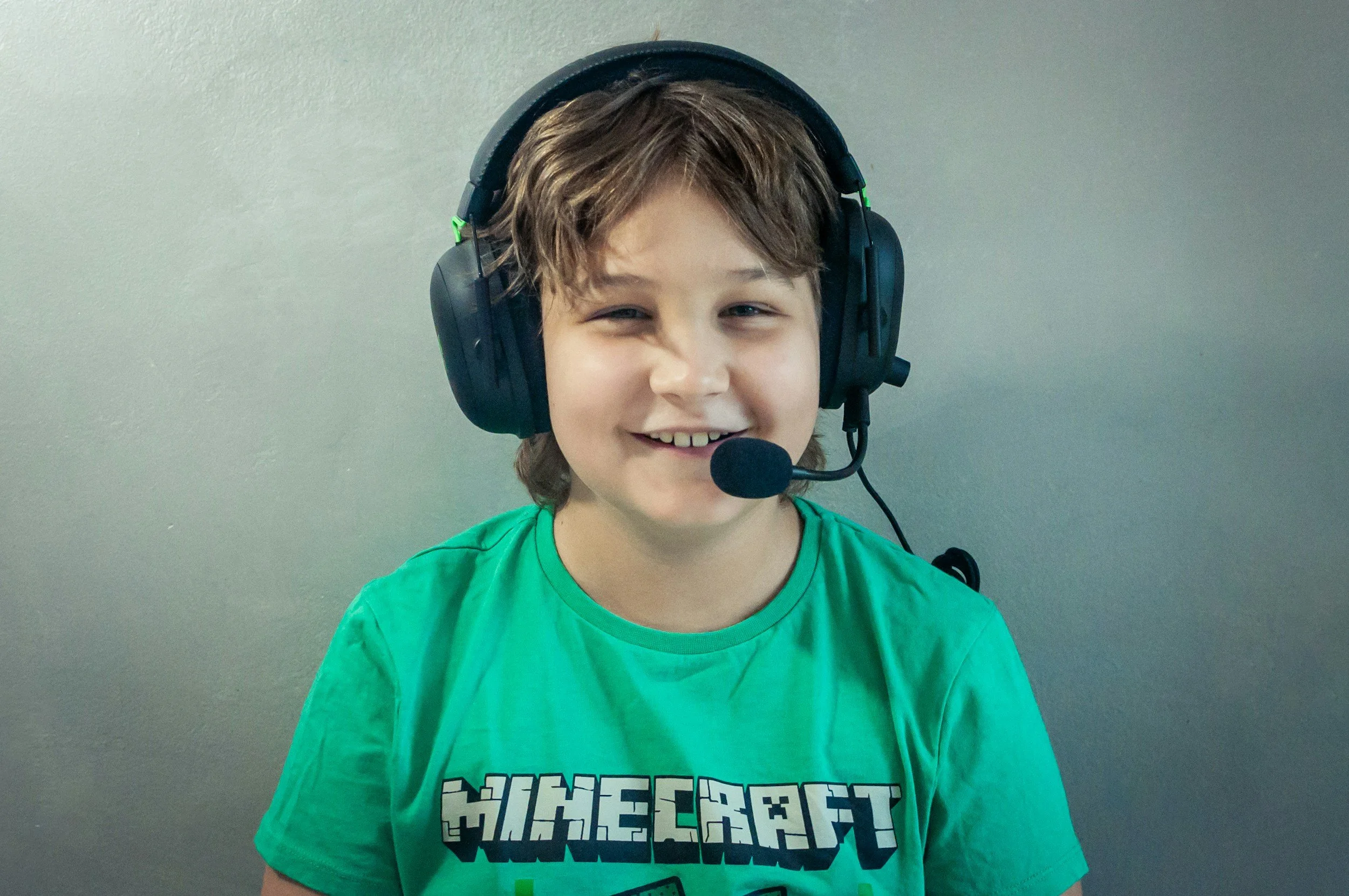
If you’ve ever watched a child light up when they’re in their “zone,” you’ll know how powerful the right environment can be. For many neurodivergent kids aged 8–13, Minecraft is exactly that: predictable, creative, social (in a manageable way), and full of shared goals.
When we combine the evidence-informed teaching from the PEERS® approach with a small, supported Minecraft group, we get the best of both worlds: explicit social coaching and a real-time space to practise skills with peers.
1) Motivation goes up (and so does practice)
Traditional social skills sessions can feel a bit “school-like” for some kids — especially if they’ve had lots of feedback about being “too much” or “not enough.” Minecraft changes the emotional tone. It’s familiar, interest-led, and gives kids a reason to engage with others.
That matters because social learning isn’t just about knowing what to do — it’s about being willing to try, recover, and try again.
2) Small groups reduce pressure and increase safety
A small group (rather than a big class) gives kids the chance to:
Get to know the same peers over time
Feel less “on the spot”
Practise turn-taking and conversation without being overwhelmed
Receive gentle coaching in the moment
For neurodivergent kids, the difference between “I can’t do this” and “I can do this” is often the environment — not the child.
3) Minecraft naturally creates shared goals (and shared language)
Minecraft is built around collaboration: building together, planning, negotiating roles, solving problems, and celebrating wins. That makes it a brilliant platform for practising PEERS®-style skills such as:
Joining in and staying included
Using friendly conversation starters
Asking questions and showing interest
Handling disagreements and repairs
Being a good sport when plans change
Because the group is working on something together, social interaction isn’t forced — it has a purpose.
4) Real-time coaching bridges the gap between “knowing” and “doing”
Many kids can explain social rules clearly… and still struggle to use them in the moment.
In a supported Minecraft group, we can pause, prompt, and practise in real time:
“Let’s try that again with a calmer tone.”
“What could you say to re-join the group?”
“How do we show we’re listening in a game chat?”
This helps kids build the skill of noticing what’s happening socially and making a small adjustment — without shame.
5) It supports different communication styles
Minecraft groups can include a mix of communication modes:
Voice chat (for kids ready for that)
Short, structured turns
Text chat (which can reduce processing load)
Visual communication through building and shared tasks
This flexibility can be a game-changer for kids who find face-to-face conversation hard, but still want connection.
6) Confidence grows through belonging
For many kids, the most meaningful outcome isn’t “perfect social skills.” It’s feeling like:
“I have a place.”
“People get me.”
“I can contribute.”
When kids experience positive peer interactions in a safe, interest-based group, confidence tends to spill over into school, family life, and other activities.
If you’d like to hear about upcoming small-group Minecraft social skills sessions (ages 8–13), book a quick call. We’ll talk through your child’s goals, what support they respond best to, and whether this style of group is the right fit.