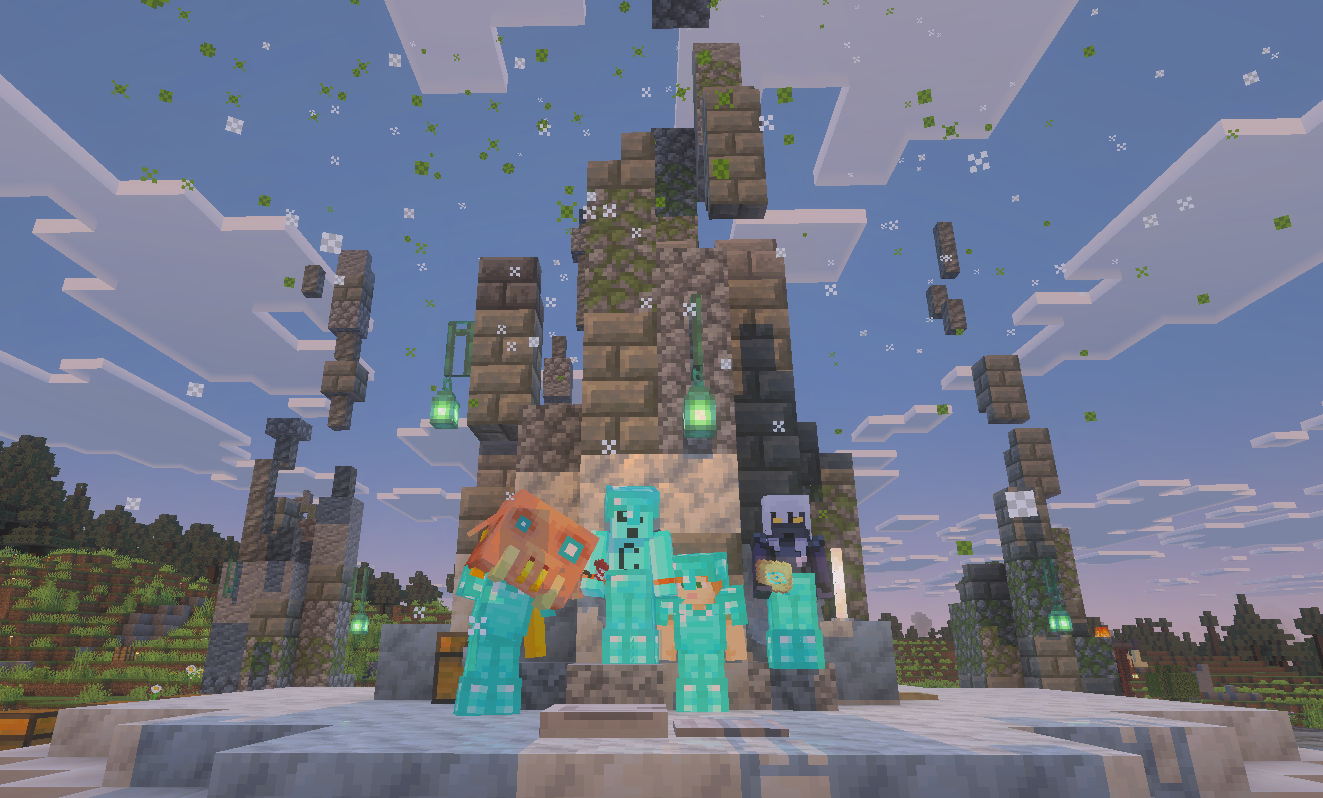
MINECRAFT SOCIAL SKILLS GROUP
(Ages 8-13)
10-week program | Join our waitlist| Online across Australia
Is your child great at Minecraft but finding friendships tricky?
This is a structured social skills program where kids learn and practise real-life skills, like starting conversations, joining in, teamwork, handling mistakes, and repairing misunderstandings, using Minecraft as the shared activity.
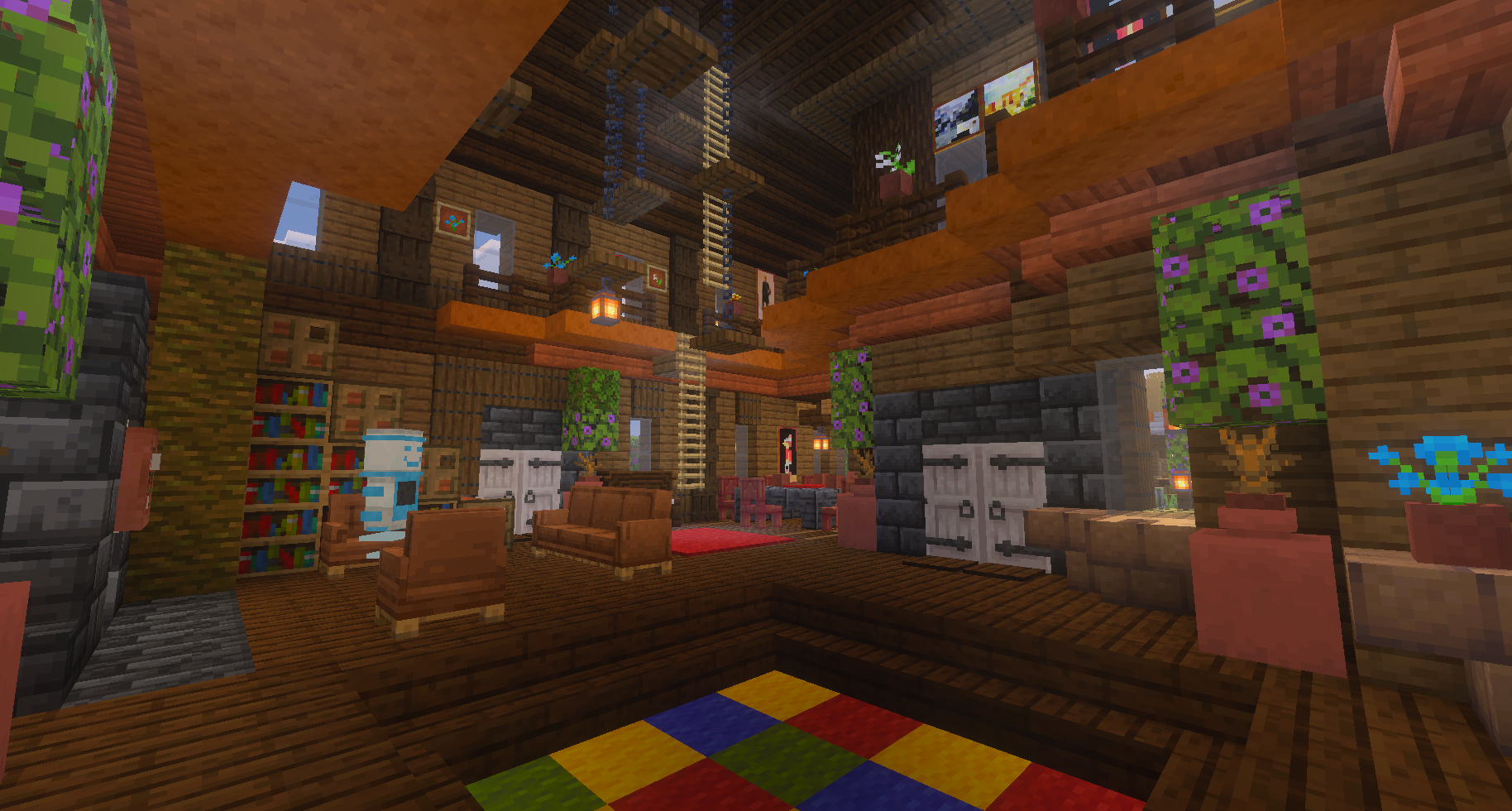
It’s More Than Just Gaming!
Minecraft is the tool, not the goal. Each session is facilitated to create real social moments (planning, negotiating, taking turns, coping with frustration), and we coach kids through them in a supportive, strengths-based way. Our activities are evidence-informed and based on UCLA PEERS® principles and structured social learning approaches, so the focus stays on skills kids can use at school, at home, and with peers.
Who is it for?
For neurodivergent children aged 8–13 who want support with friendships, teamwork and confidence—without pressure to “perform”. Suitable for children with autism, ADHD, anxiety, or social communication differences.
What’s included
10-week block (a new social topic each week)
Up to 8 participants per group (so kids get individual support)
Trained facilitators guiding every session
1.5-hour sessions
Topics
Starting conversations and joining in
Turn-taking and sharing control
Teamwork, planning and flexible thinking
Managing frustration and coping with mistakes
Conflict resolution and repairing misunderstandings
Friendship skills (inviting others, keeping the group positive)
Group communication: “reading the room”, humour, and staying on track
What to Expect
Expect hands-on fun, supportive staff, and a mix of structured activities and open play. This is a space where your child can move, make, imagine, and grow.
Ages
The program is most suitable for children aged 8-13
Date(s)
Multiple groups run concurrently, with new groups beginning every 10 weeks. Please contact for current group availability
Time
9:00am-10:30am Saturday (AEST)
11:30am-1:00pm Saturday (AEST)
1:30pm-3:00pm Saturday (AEST)
Location
Sessions are delivered online via Google Meets, Australia-wide
Session Breakdown
- First 20 minutes comprised of explicit social skills teaching using video modelling and group discussion. (We suggest parents be present for home carryover)
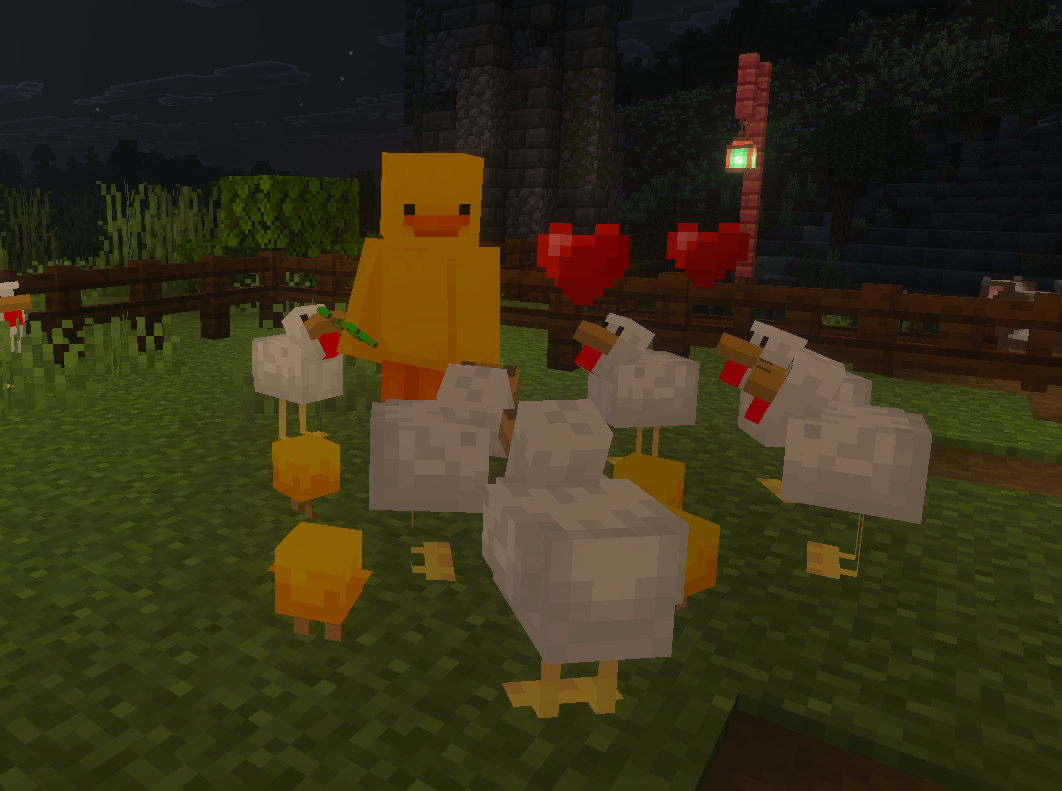
- Next 15 minutes: minigames where children can collaborate or build frustration tolerance.
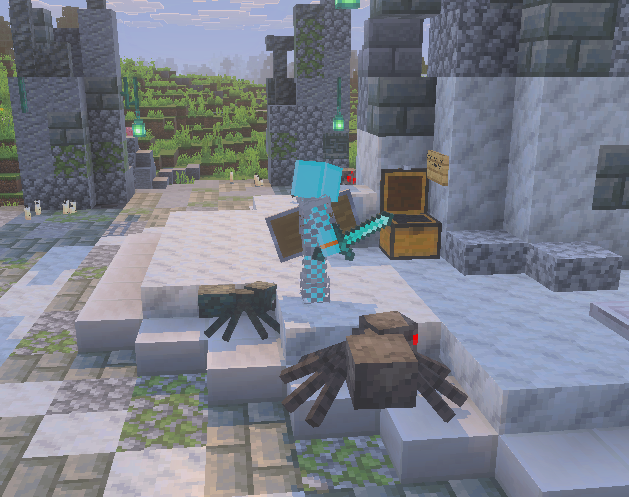
- Remaining time: Free play in the survival world where children will build their houses and interact with peers.
Ready to secure your child's spot?
Let's chat about whether this program is the right fit for your child.
Spaces are limited to 8 participants per group.
Questions?
📞 0493 173 439
✉️ minecraft@strivesocial.com.au
🌐 www.strivesocial.com.au
WHAT DOES THE RESEARCH SAY?
Kilmer et al.’s 2023 study observed the effects of Minecraft groups for neurodivergent youths. They found that Minecraft groups can provide positive opportunities for peer connection and act as a space to facilitate social practice. Further, Minecraft provided a low-stakes practice environment, allowing neurodivergent youths to develop socially within an area of shared interest.
Researchers have analysed Minecraft as a teaching tool, with findings suggesting it can improve interest and motivation for learning (Nebel et al., 2016). One study compared a control group taught through a traditional lecturing approach and another with the addition of Minecraft, with the Minecraft group demonstrating a significant improvement over the control.(Wang & Towey, 2013).
Details
-
The group program is $70 per 1.5hr session (10 sessions = $700 total).
We’re NDIS registered, so it’s claimable if your child’s plan has goals around social skills/friendships.
-
NDIS funding accepted
Sessions support capacity building, social participation and confidence development.
NDIS participants: if included in your plan, sessions may be claimed under relevant Capacity Building or Community Participation line items.