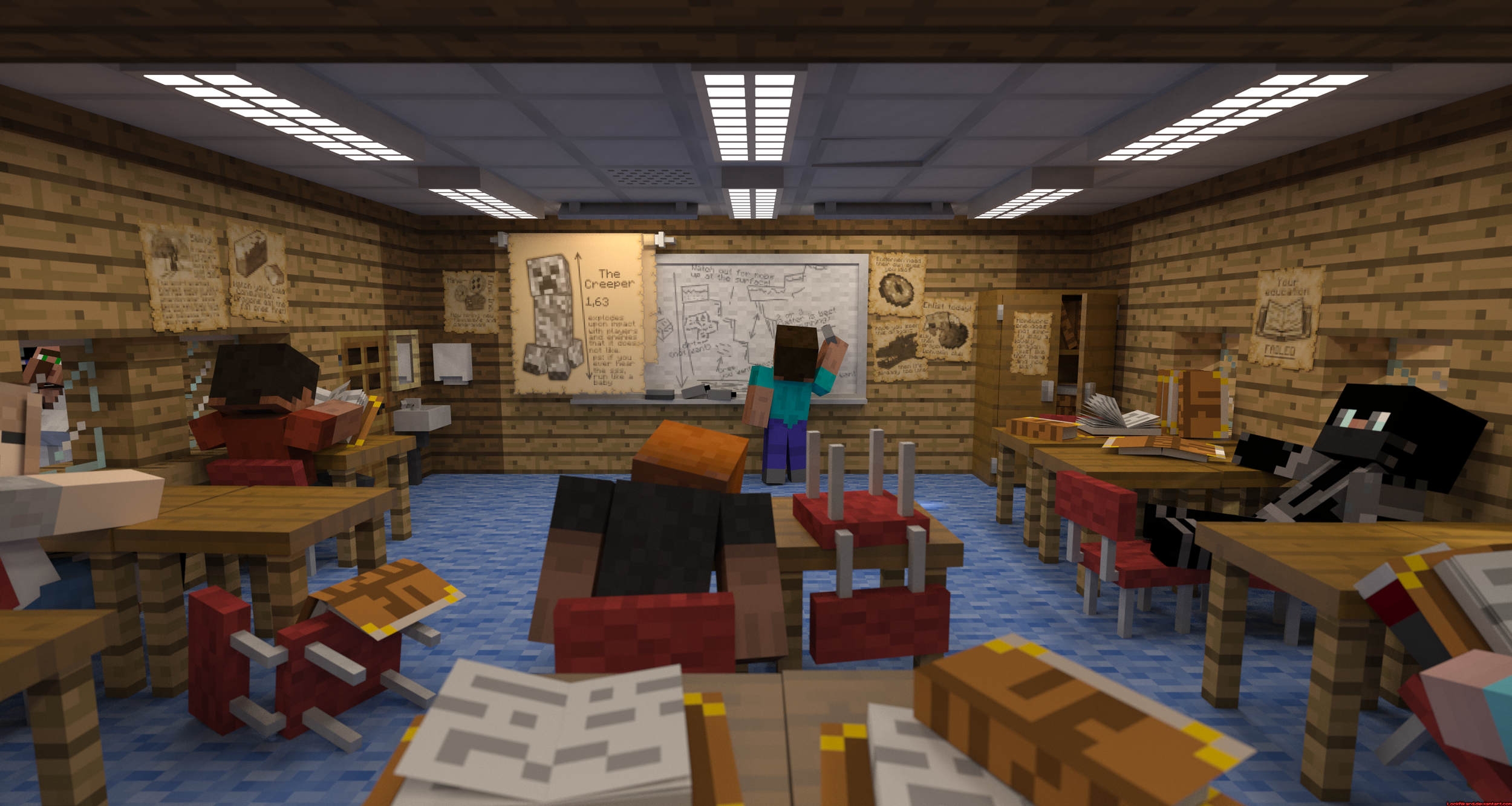
MINECRAFT PEERS®
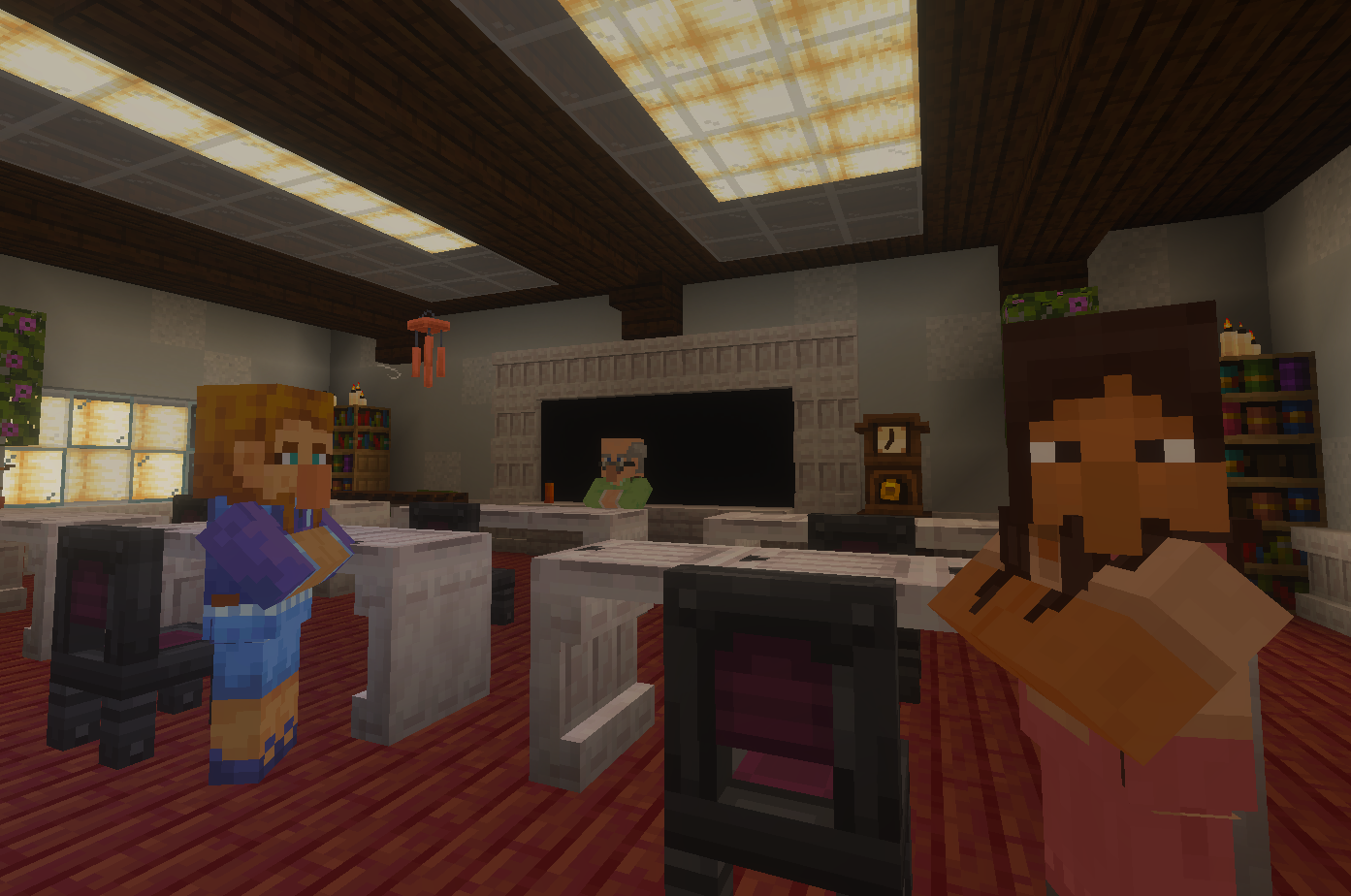
Our specially designed Minecraft world aims to support your child in developing their social skills in a safe, supportive and engaging Minecraft world with a trained social skills facilitator.
What is our Minecraft PEERS® Program?
Designed for children aged 8–14 to develop social skills through Minecraft.
Based on the evidence-based PEERS® curriculum for social skills development.
Teaches practical strategies for:
Building friendships
Effective communication
Navigating social situations
10 structured sessions, each focusing on a specific social skill.
Guided by trained facilitators through discussions, activities, and in-game challenges.
Interactive, motivating, and supportive learning environment.
Play-based approach that makes practising social skills engaging and enjoyable.
Builds confidence and helps children apply skills to everyday life.
Safe, inclusive space to develop meaningful friendships and lasting social connections.
Meet the Facilitators!
LUKE
ALLIE
Allie and Luke are our two primary facilitators for the Minecraft PEERS & Social Group.
Allie has a Cert III in Early Childhood Education and Care and is studying a Bachelor of Speech Pathology.
Luke has a Diploma in School Age Education and is studying a Bachelor of Physiotherapy.
Both have extensive experience working with children who are both neurotypical and neurodivergent.
How Does it Work?
Delivered online via Google Meet with live video and audio.
Real-time guidance, encouragement, and coaching while children participate.
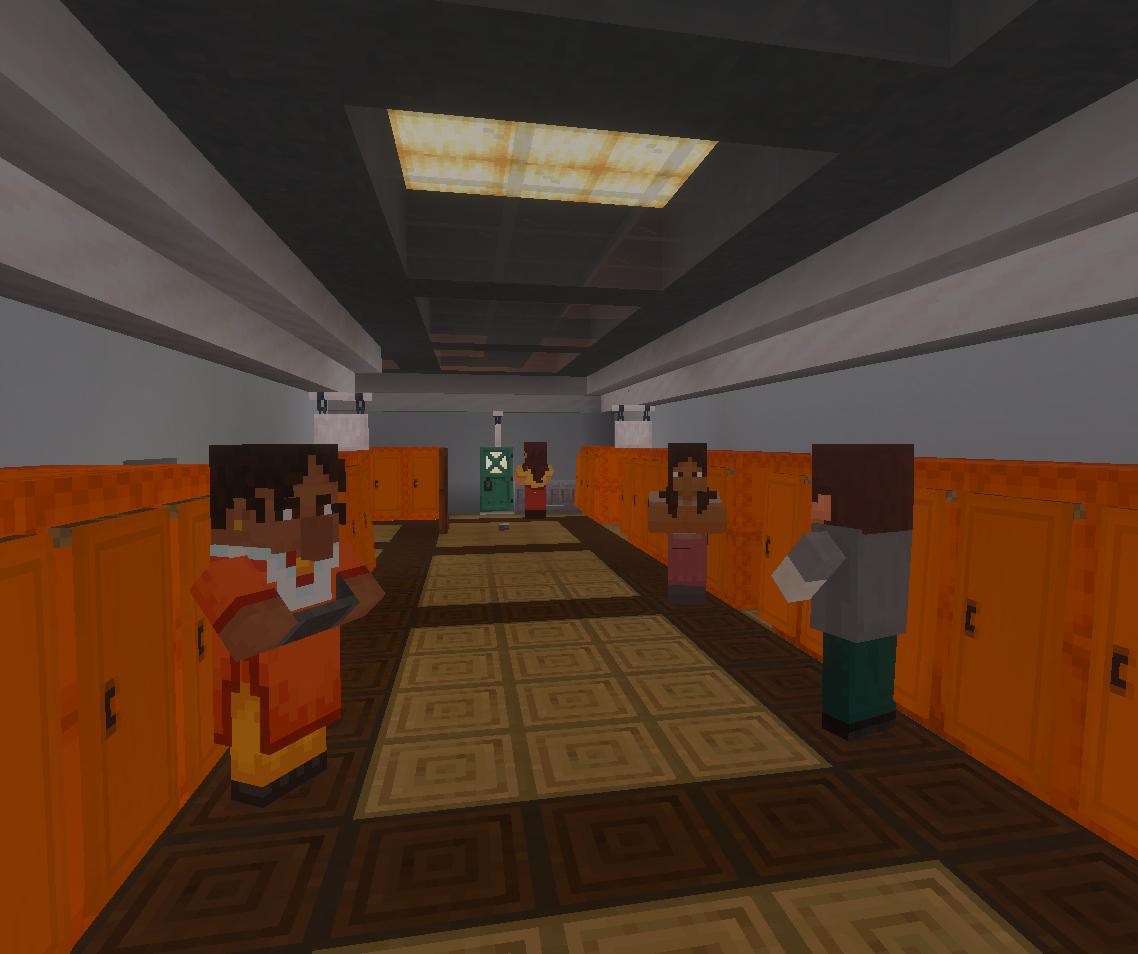
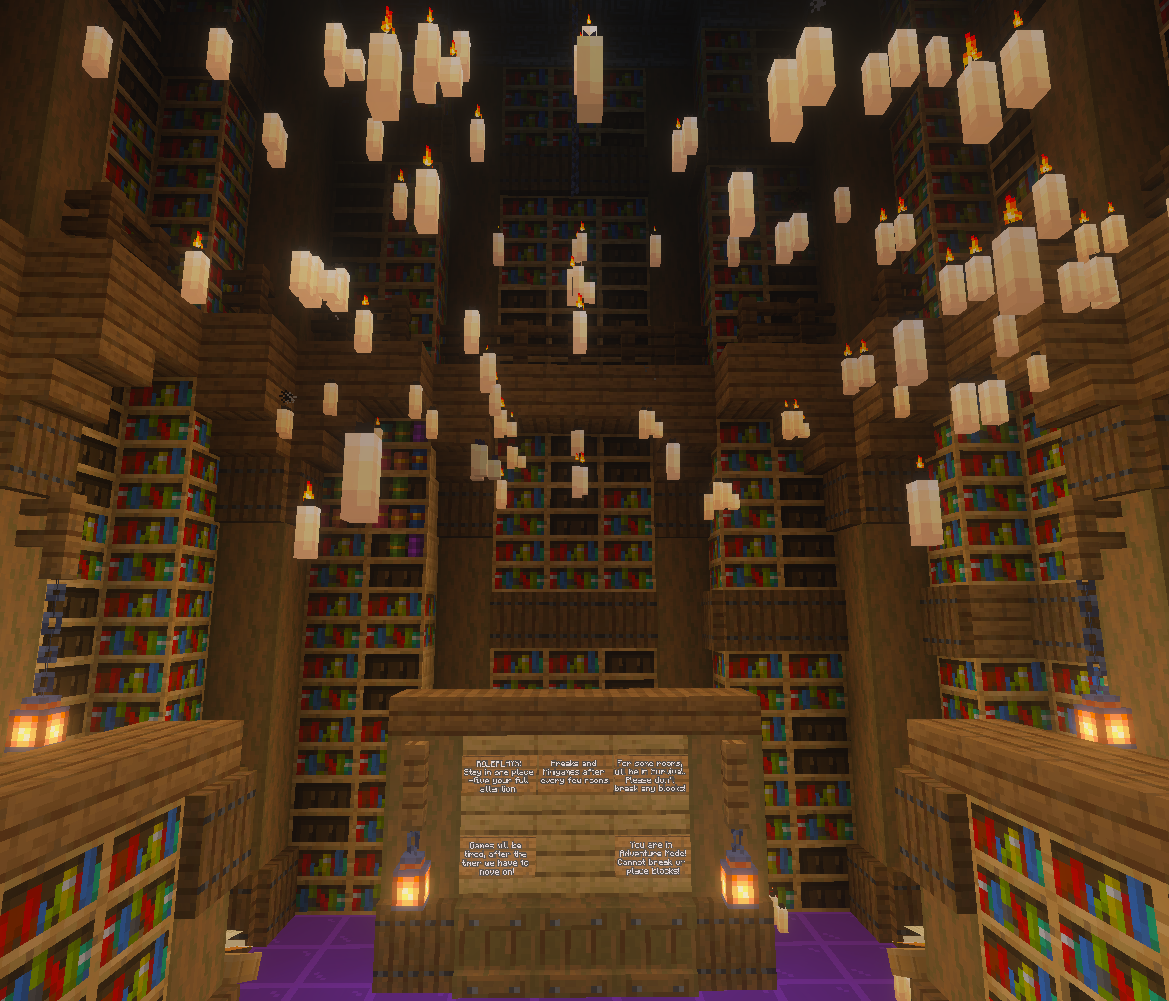
Custom-designed Minecraft world created specifically for social skills development.
Fun, structured, and engaging activities that keep children motivated.
Collaborative challenges and guided discussions to encourage interaction.
Practise key social skills, including:
Communication
Teamwork
Emotional understanding
Perspective-taking
Problem-solving
Building and maintaining friendships
A safe and supportive environment to build confidence and meaningful social connections.

Important Information
-
The program is suitable for children aged 8-14.
Sessions are conducted via google meets with your facilitator, where your child will be guided through the PEERS® Minecraft world to develop their social skills.
-
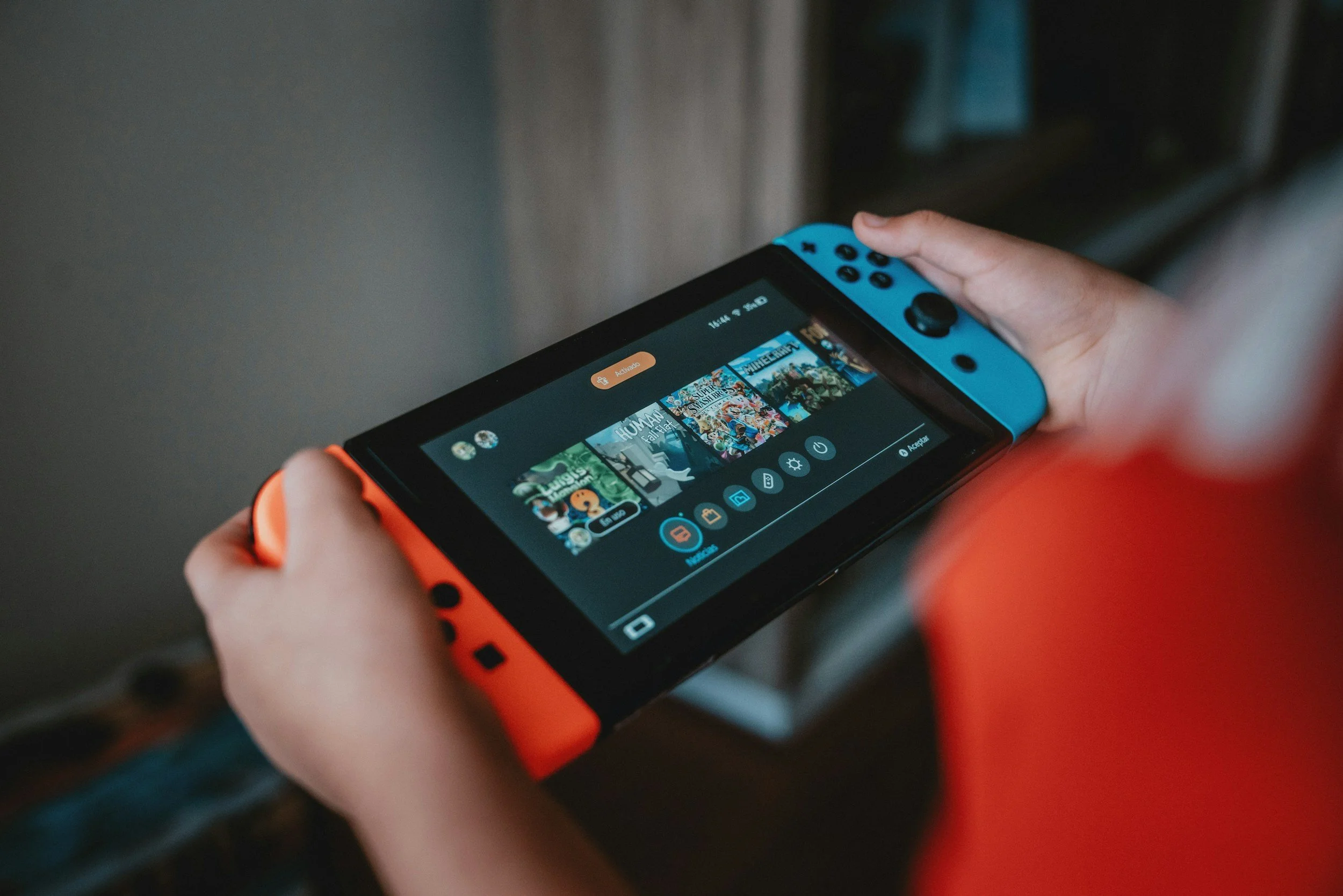
The program requires a device that has Minecraft Bedrock edition downloaded on it. Minecraft Bedrock Edition can be purchased on an a computer, Ipad, phone, switch or Xbox.
A secondary device capable of running the google meets call with your facilitator is required. If you are using a computer or laptop, the call can be done from this device.
Links to the custom peers minecraft world for your child will be provided on booking.
-
Standard Individual Minecraft Peers Session
$100
Includes:
45 minutes direct session time
session preparation and planning
documentation and brief clinical note writing
This structure allows us to provide focused, thoughtful support while also including the professional work that happens before and after each session.
What is covered in PEERS®?
Within each session, children are supported to develop the following social skills, including:
Starting and joining conversations
Keeping conversations going
Finding common interests
Choosing appropriate friends
Using two-way communication
Active listening skills
Reading social cues and body language
Understanding personal space
Appropriate use of humour
Entering and exiting group conversations
Joining group activities
Handling disagreements and conflict
Managing teasing and bullying
Being a good sport during games and activities
Perspective-taking and empathy
Problem-solving in social situations
Hosting and attending get-togethers
Online communication and digital etiquette
The eleven units covered within the PEERS® Minecraft world include:
Trading information and starting a conversation
Trading information and maintaining a conversation
Finding a source of friends
Using electronic communication appropriately
Using humor appropriately
Entering group conversations
Exiting group conversations
Organising get-togethers
Handling disagreements
Handling direct bullying
Handling indirect bullying
Children are not required to complete all units. Our program enables a greater degree of flexibility by enabling parents to decide what units they would like their children to complete, catering to their individual needs.